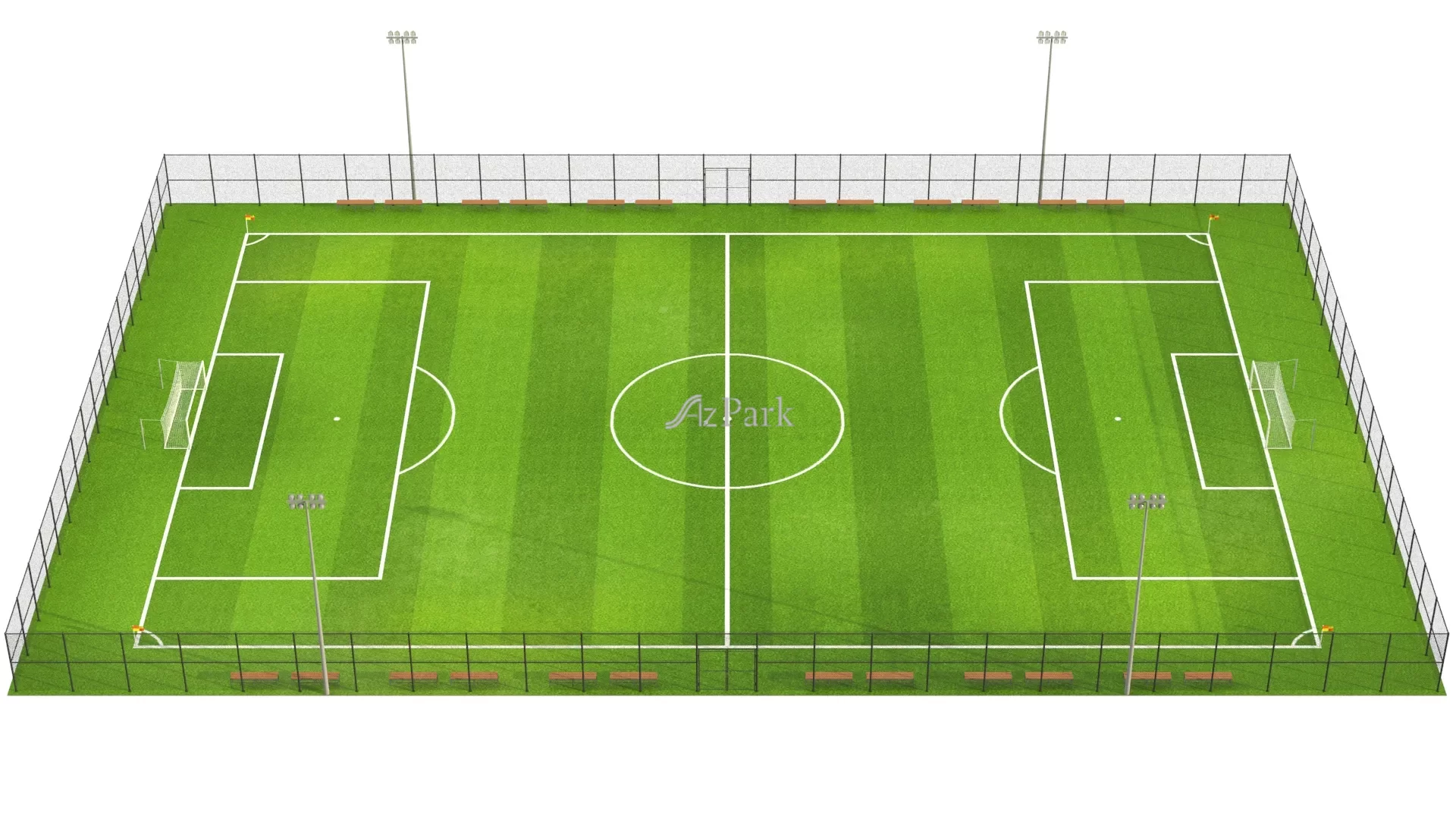
1. Design and Technical Planning
- Requirements determination: What purpose the stadium will serve (soccer, futsal, multi-purpose sports field, etc.) and its capacity.
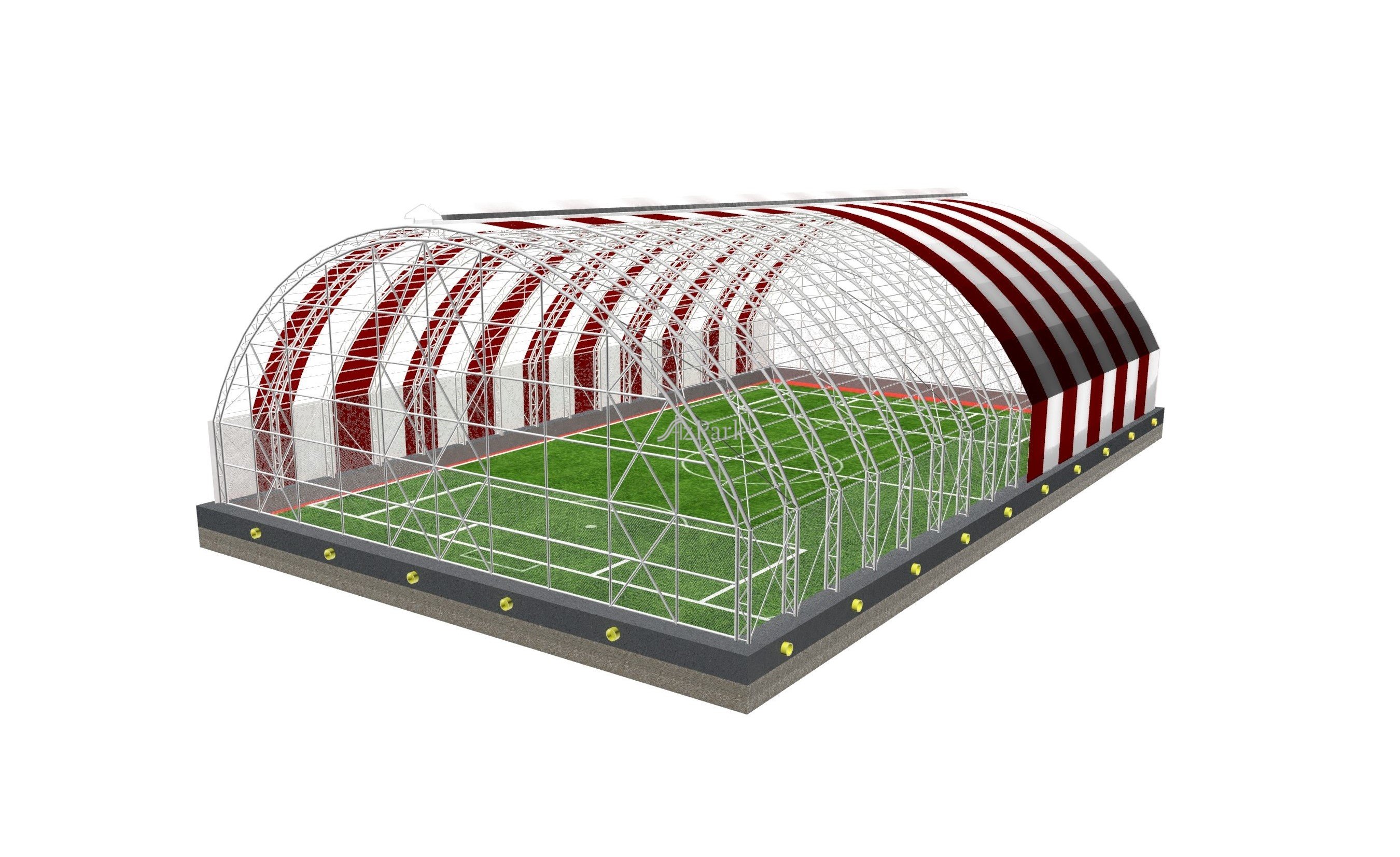
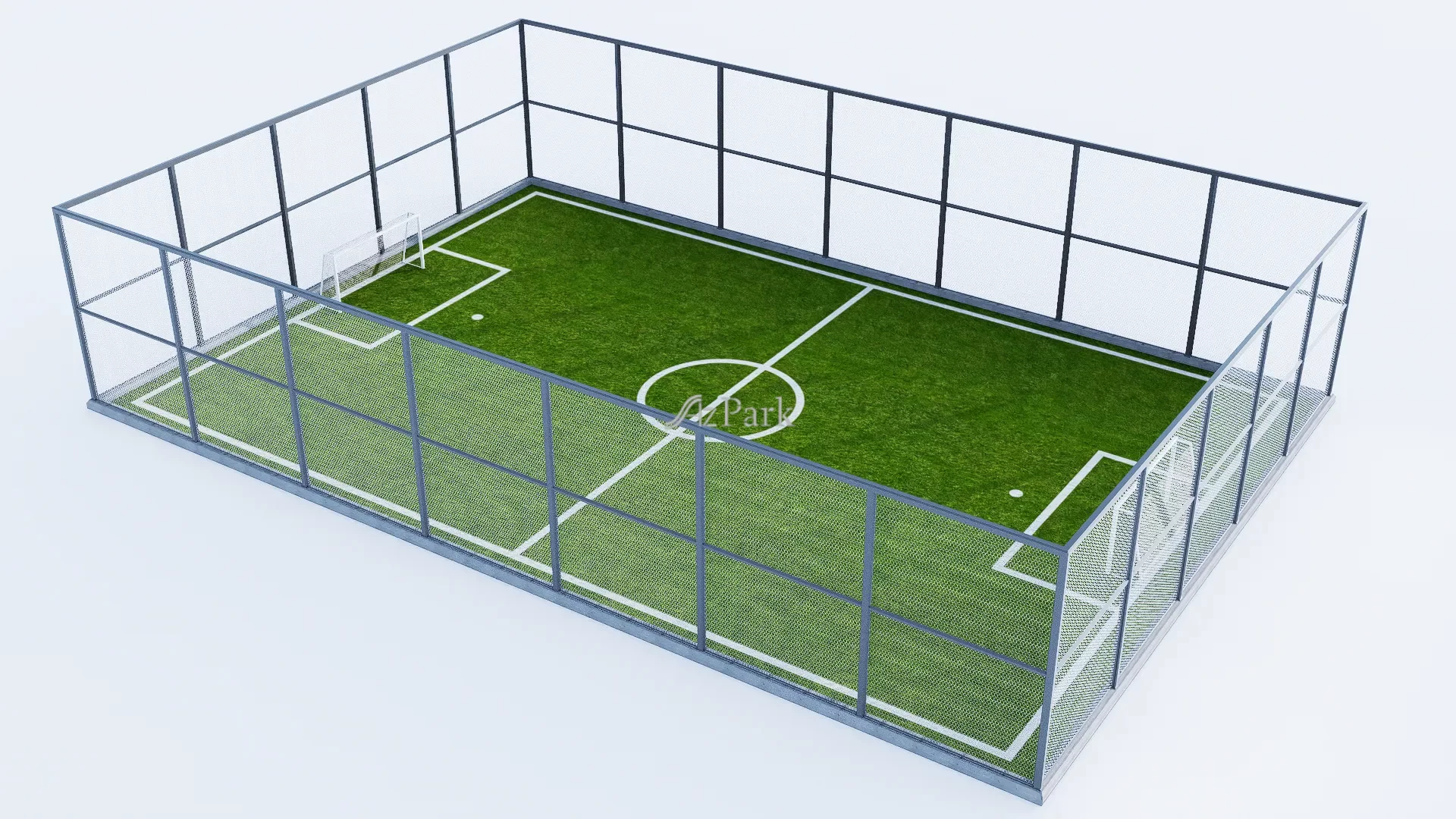
- Size and shape selection: Field dimensions (for example, 20x40m, 30x50m, etc.) and roof coverage (open, semi-open, fully enclosed).
- Design of construction: Load calculations for metal structure are performed — wind, snow load, seismic resistance are considered.
- Material selection: Steel types for supporting columns and covers, and suitable artificial covering for the grass field are selected.
2. Site Preparation
- Ground work: Site is leveled, drainage system is constructed if necessary (for management of rainwater).
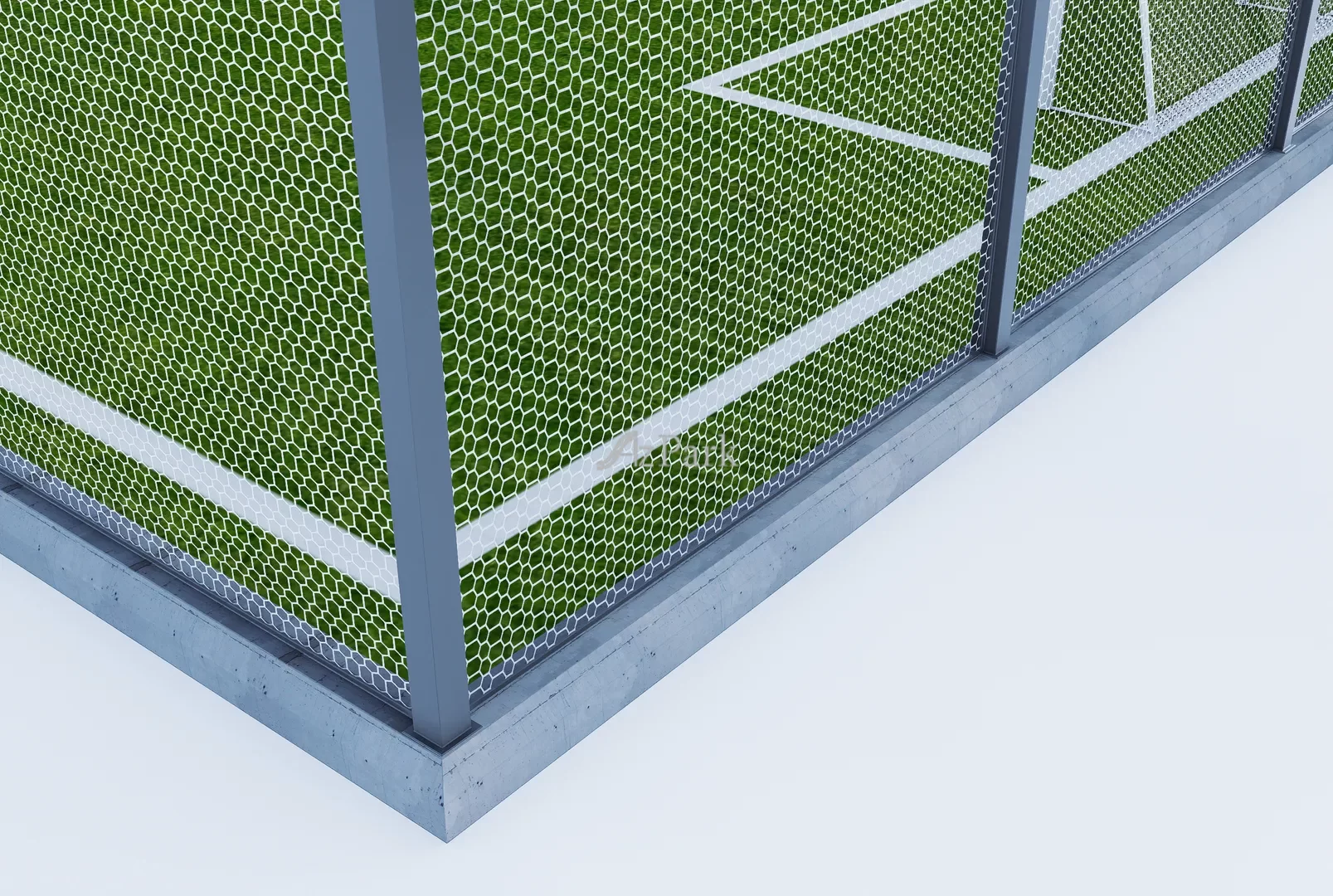
- Foundation: Concrete foundation (foundation) is prepared for metal columns. Type and depth of foundation are selected based on soil properties.
3. Metal Structure Assembly
- Column assembly: Steel poles are placed in position using a crane and fastened to the foundation.
- Assembly of beams and connection elements: Vertical and horizontal elements are assembled between columns.
- Roof frame preparation: If there will be a roof, metal skeleton is prepared and covered with polycarbonate, PVC membrane, or other materials.
4. Artificial Covering Preparation
- Base layer construction:
- First, a multi-layer base consisting of crushed sand and gravel is prepared and compacted.
- An elasticity-giving rubber layer can be added on top (especially if it complies with sports standards).
- Artificial turf laying:
- Turf is brought to the field in roll form.
- It is cut and glued according to dimensions.
- Seams of the turf are strengthened with special adhesive or bonding tape.
- Sand or rubber granule spreading:
- Special sand or rubber granules are spread on the turf (for athlete's stability and safety).
5. Additional Work
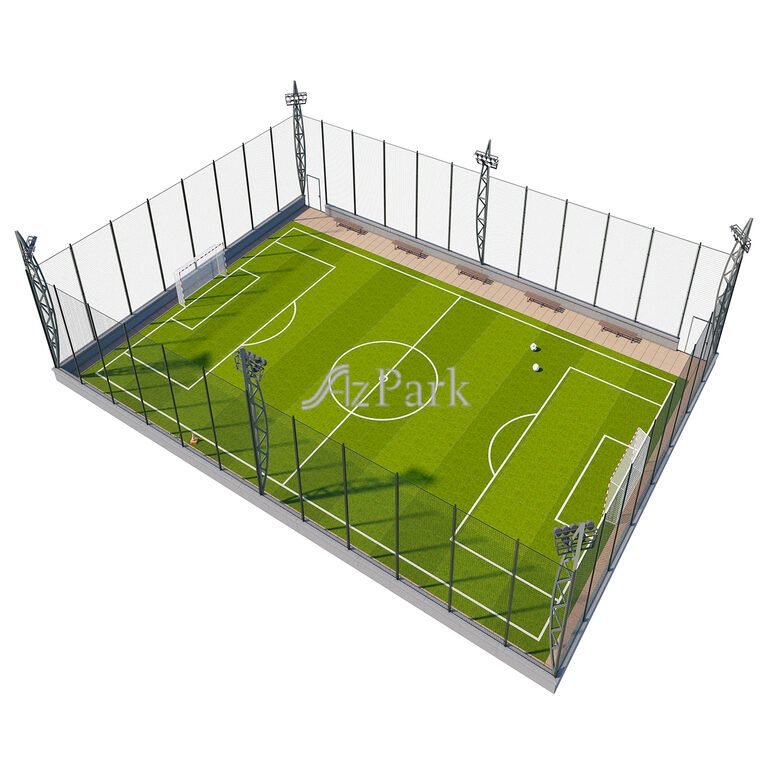
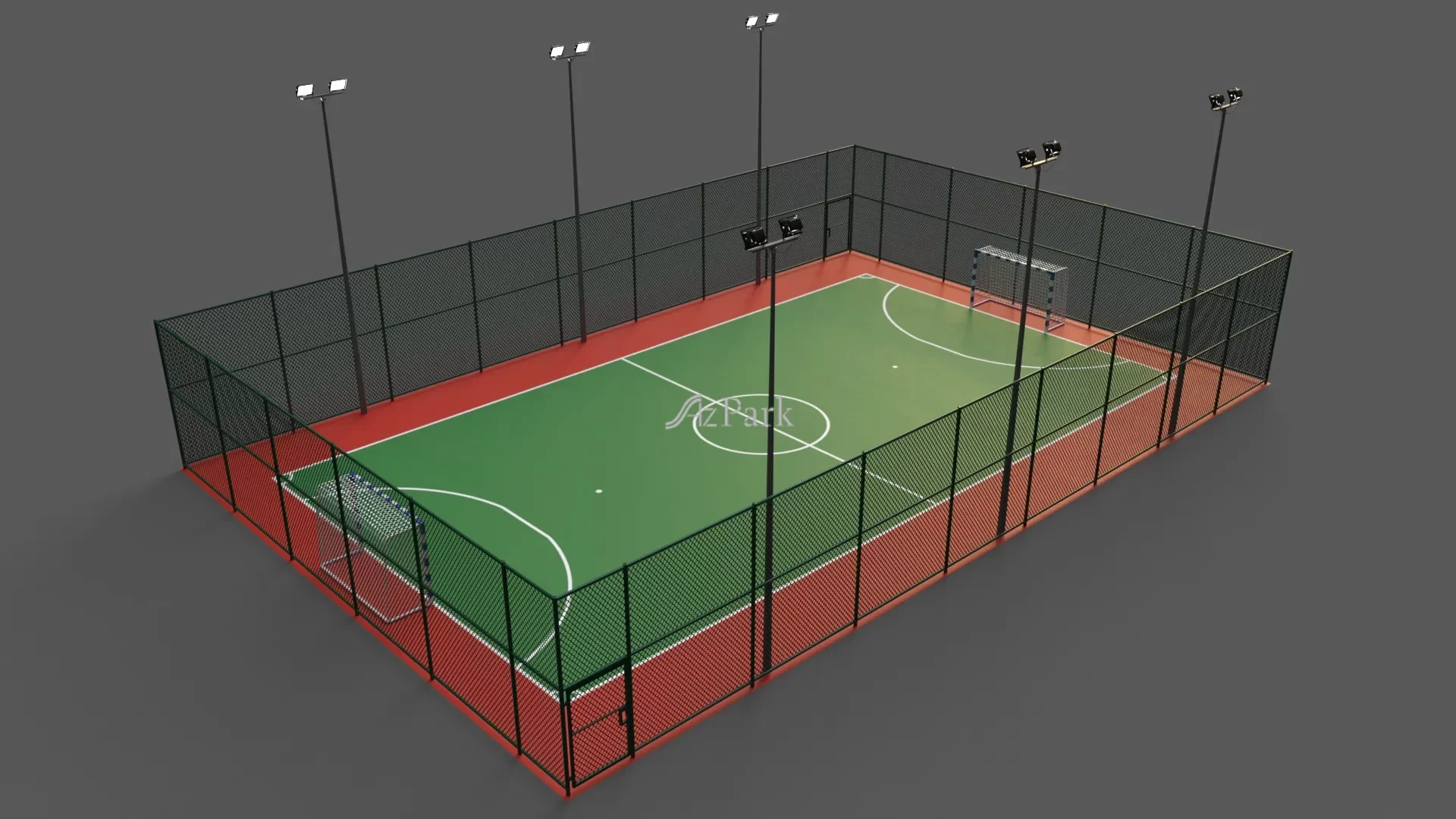
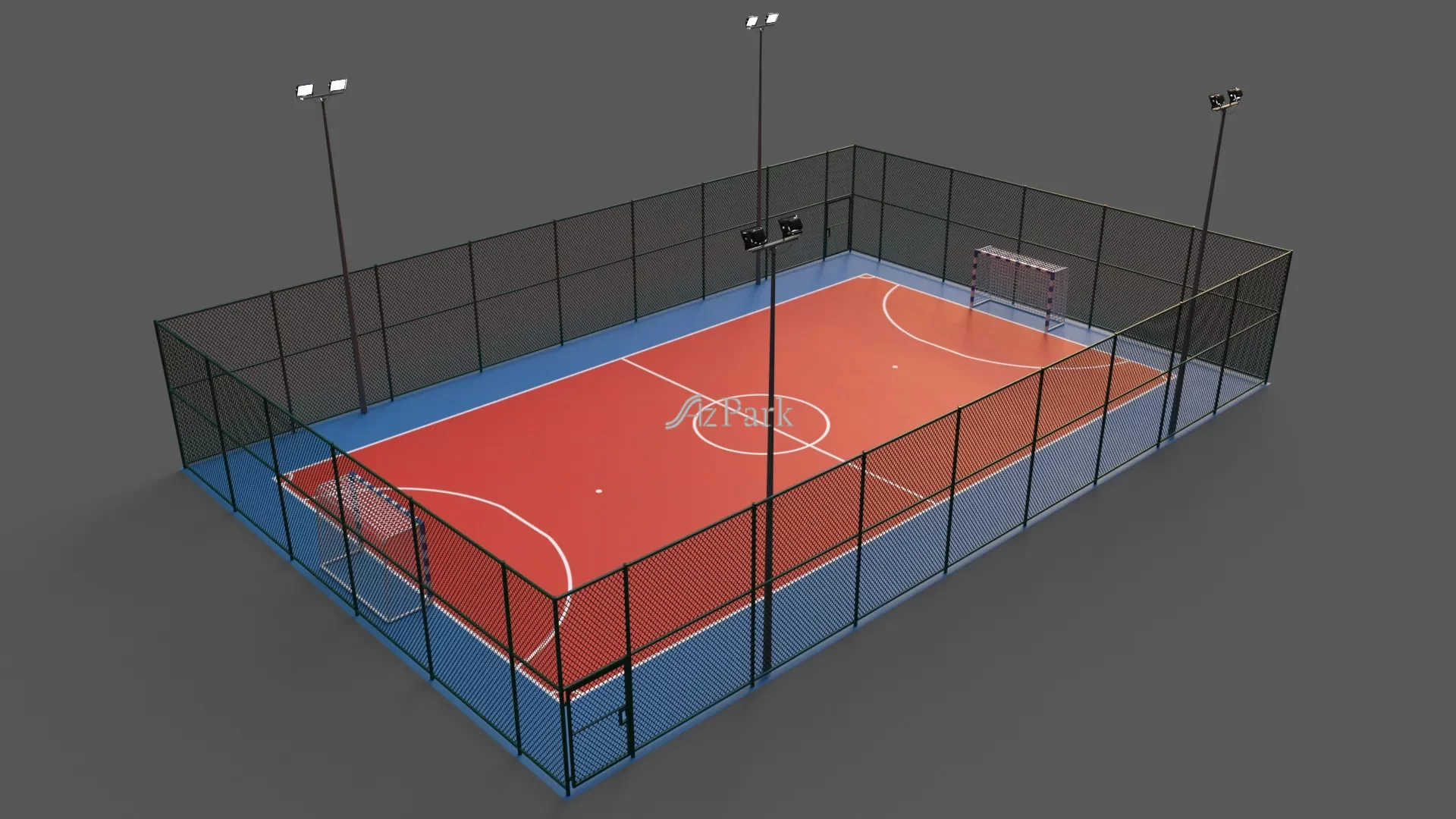
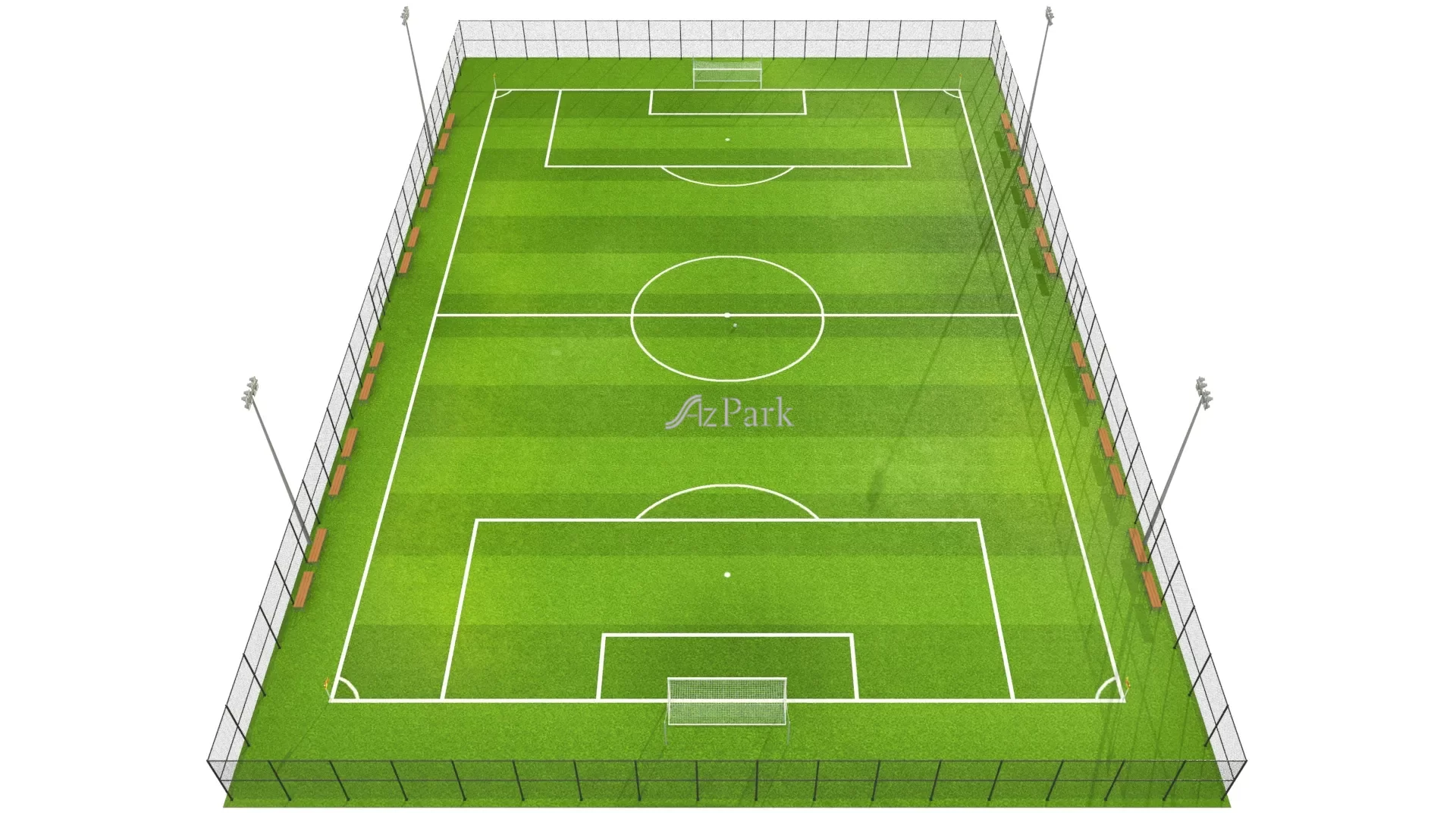
- Lighting system installation: Projectors are placed on metal poles.
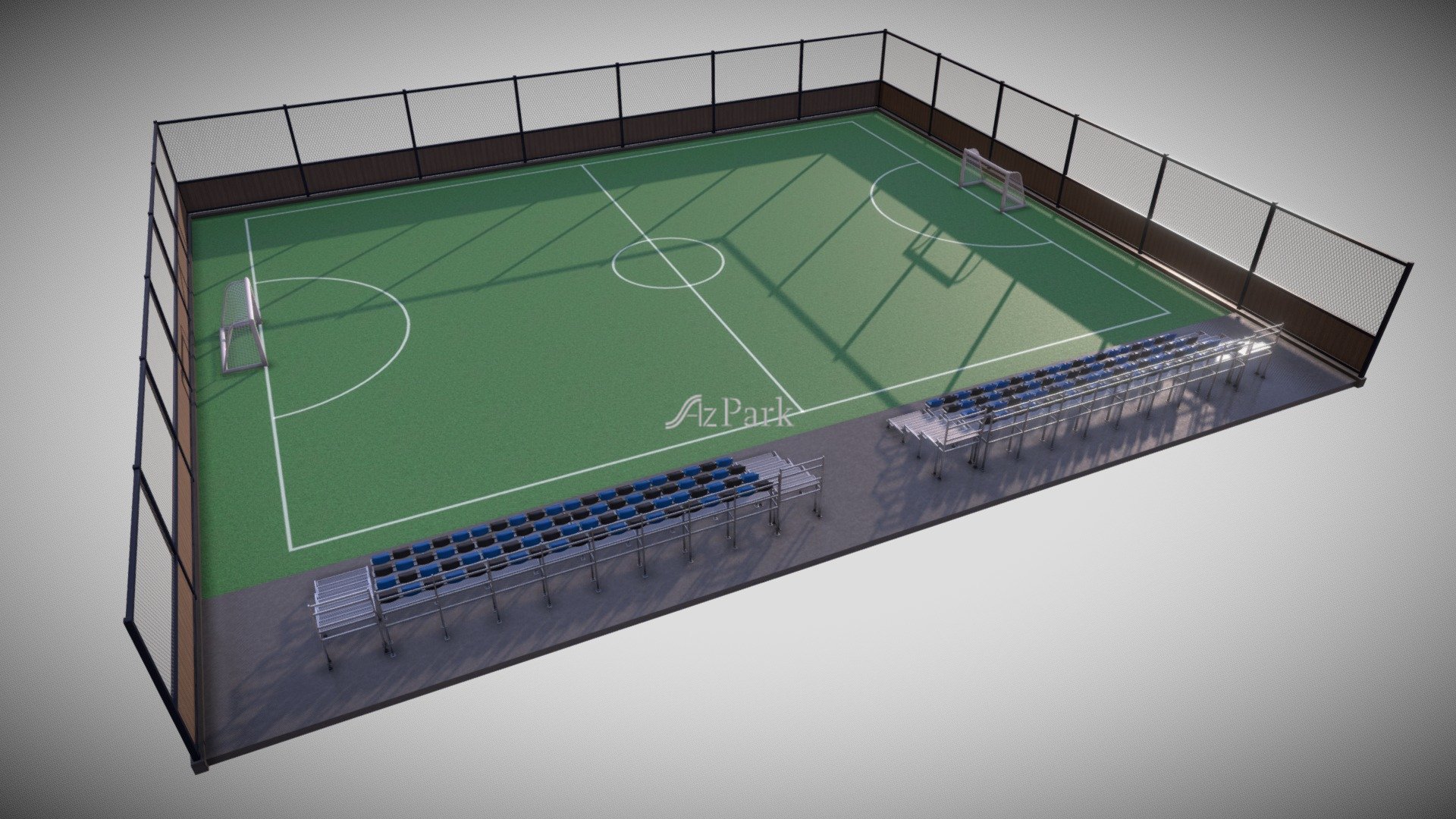
- Stands and seating: If planned, small stands are built.
- Safety and aesthetic additions: Protective nets, advertising panels, watering systems, etc. are added.
6. Testing and Handover
- Final inspection of the structure and covering is performed.
- The quality of the field is tested before use (friction, elasticity, etc.).