1. Design and Planning
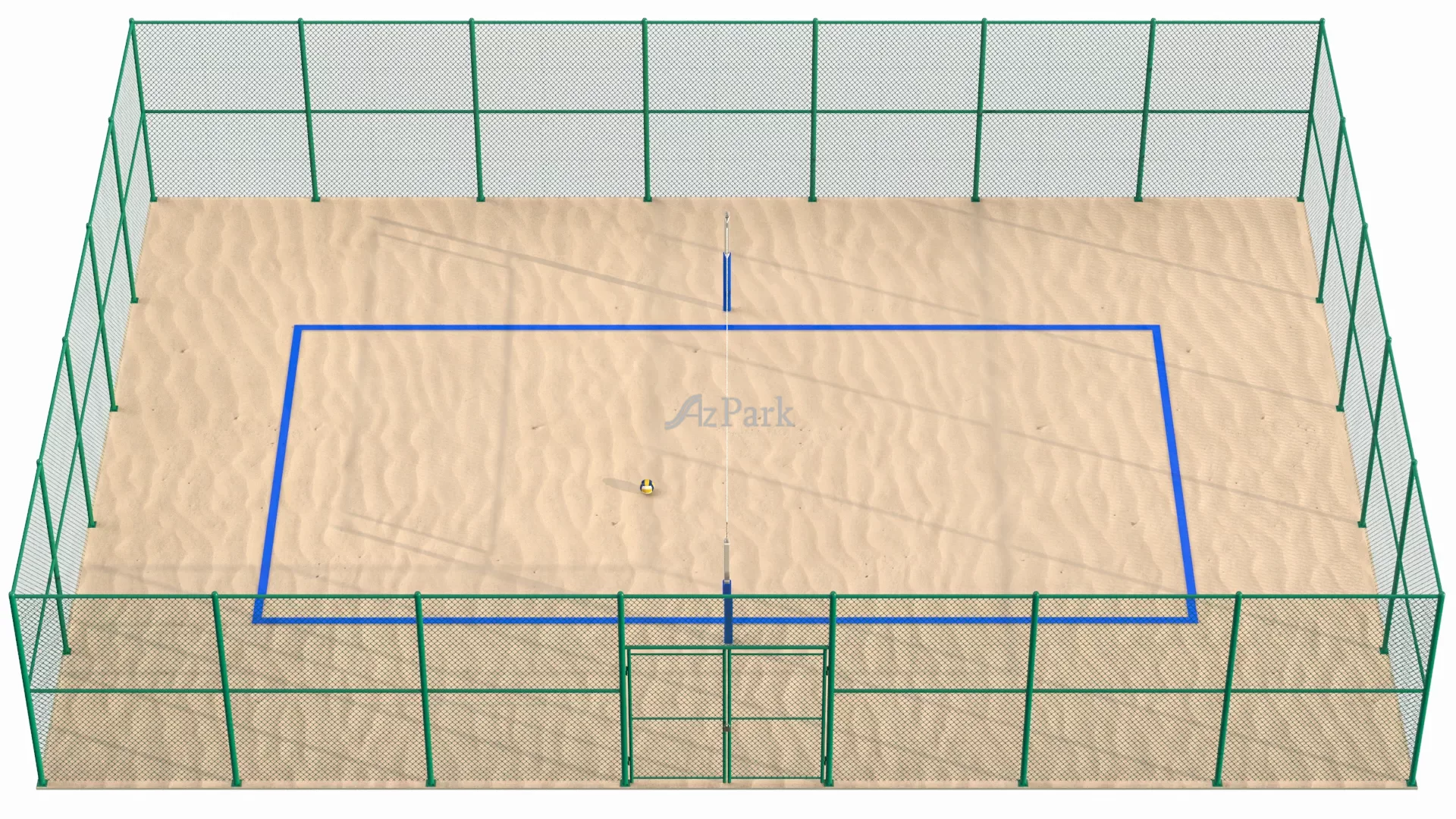
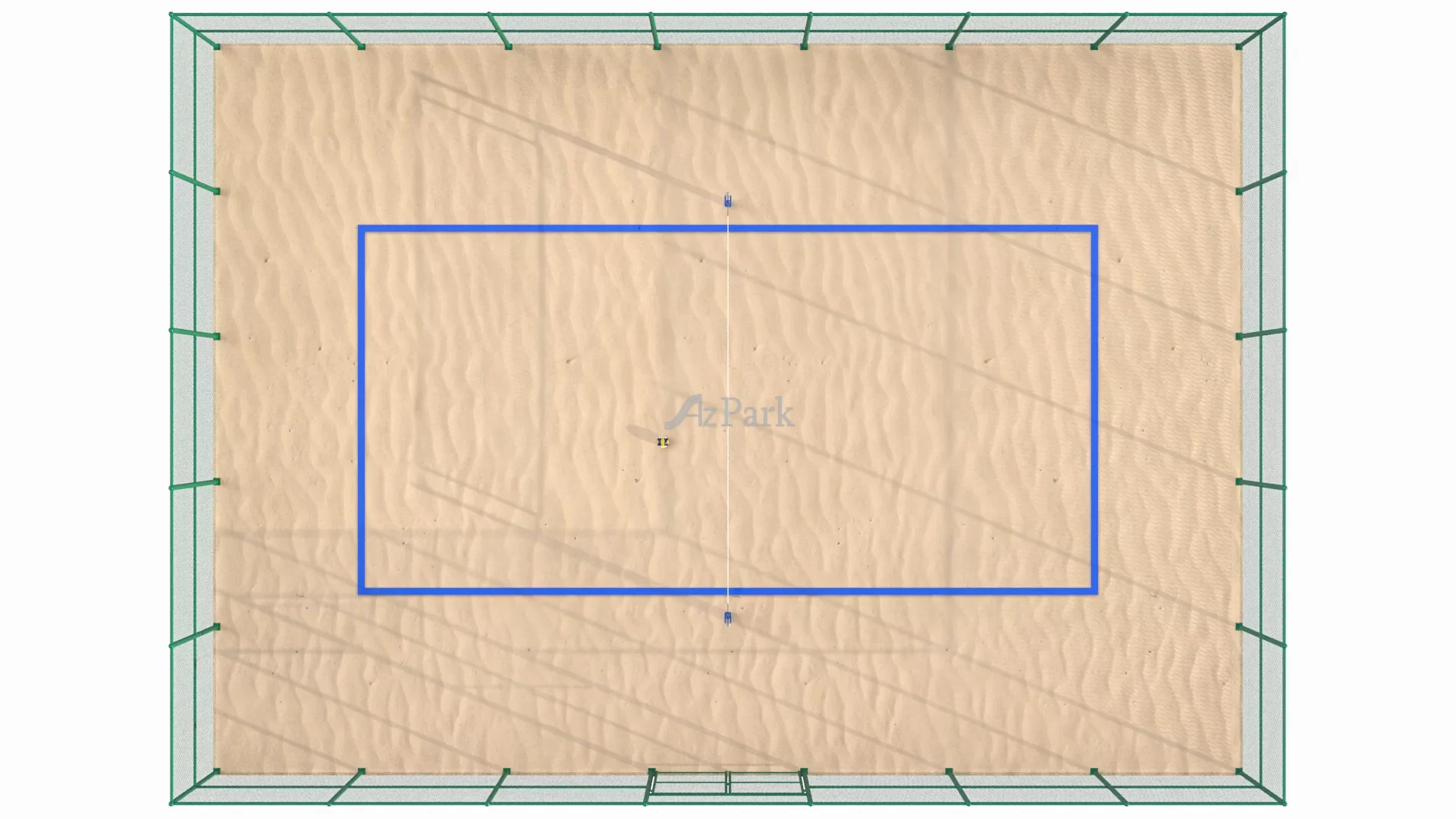
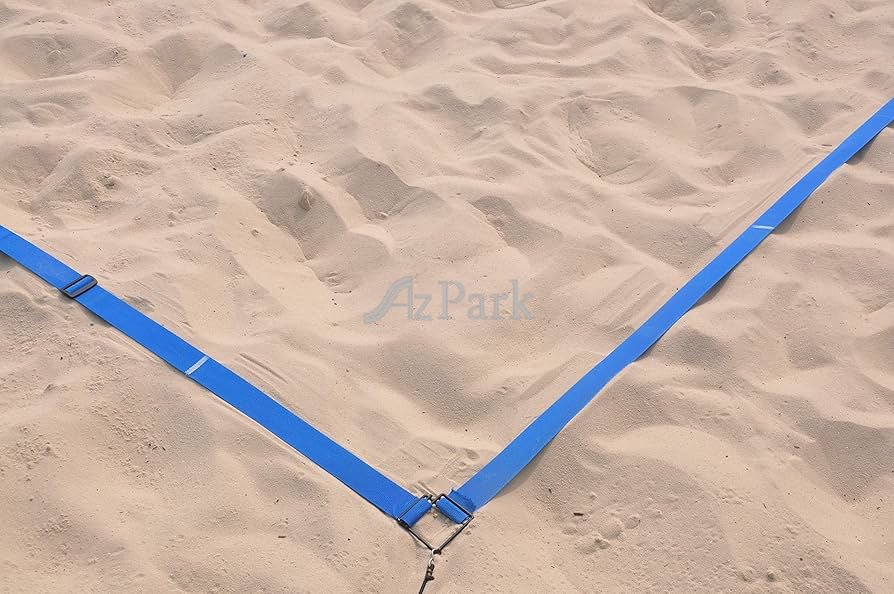
- Playing area dimensions:
- 16 m (length) x 8 m (width) — standard playing area.
- Additional safety zone: At least 3 m on each side.
- Total area: approximately 22 m x 14 m should be.
- Note: In international competitions, the safety zone is wider (up to 5 m).
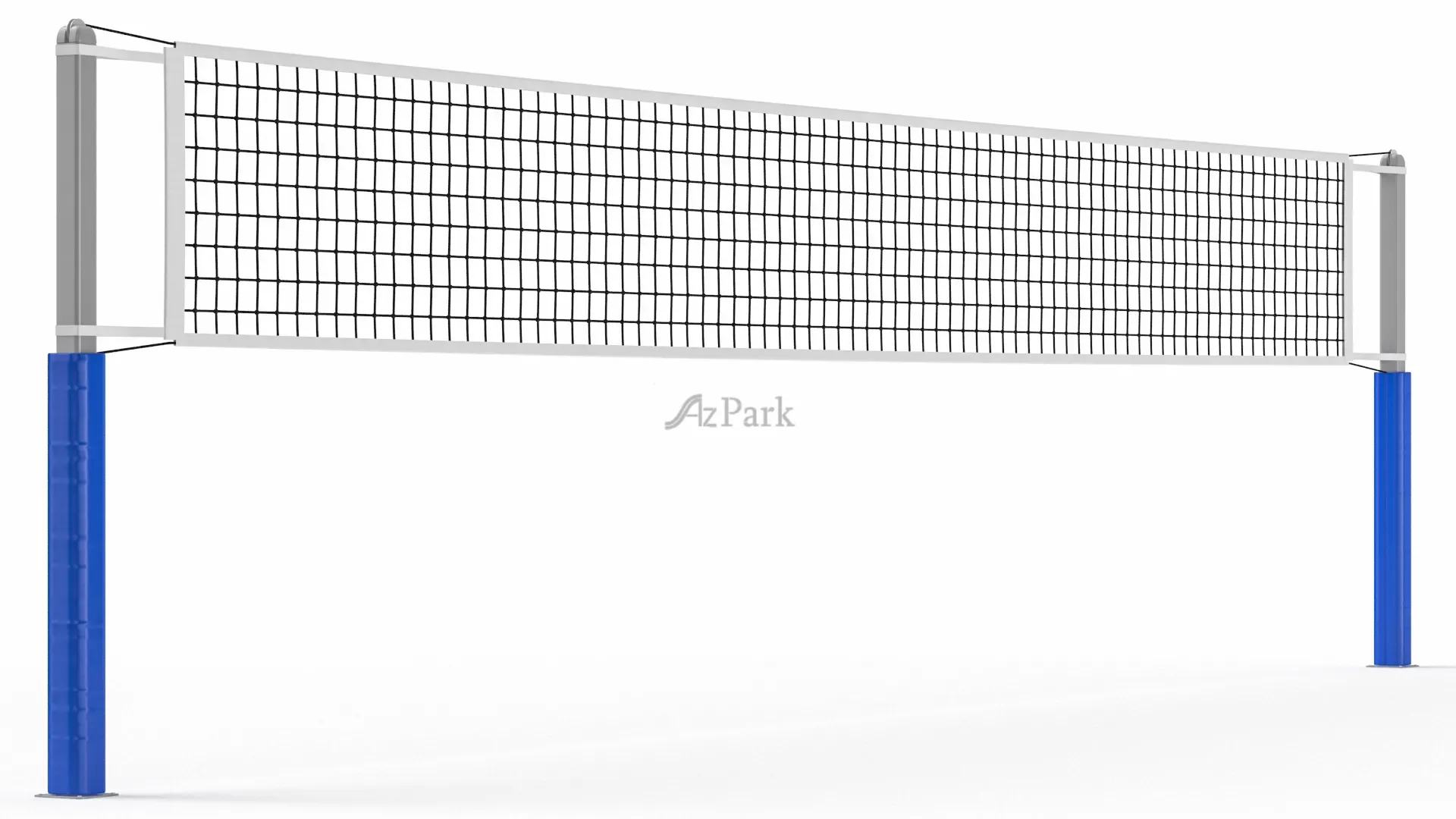
- Net Height:
- For men: 2.43 m
- For women: 2.24 m
2. Site Preparation
- The existing soil layer is excavated to a depth of 40–50 cm.
- A drainage system (gravel layer + drainage pipes) is placed so rainwater drains quickly.
- Slope is given (0.5% slope — for water to flow to the sides).
3. Drainage System Installation
- Bottom layer: 10–15 cm of gravel (crushed stone).
- Drainage pipes are placed (especially in large areas).
- Geotextile fabric is laid on top of the gravel — to prevent sand from flowing through.
4. Sand Layer Construction
- 30–50 cm thick, special clean, granular, coarse-grained sand is spread.
- Sand:
- Must be cleaned (no stones, mud, or algae).
- Must not be dusty or fine-grained (to prevent hardening).
5. Equipment Installation
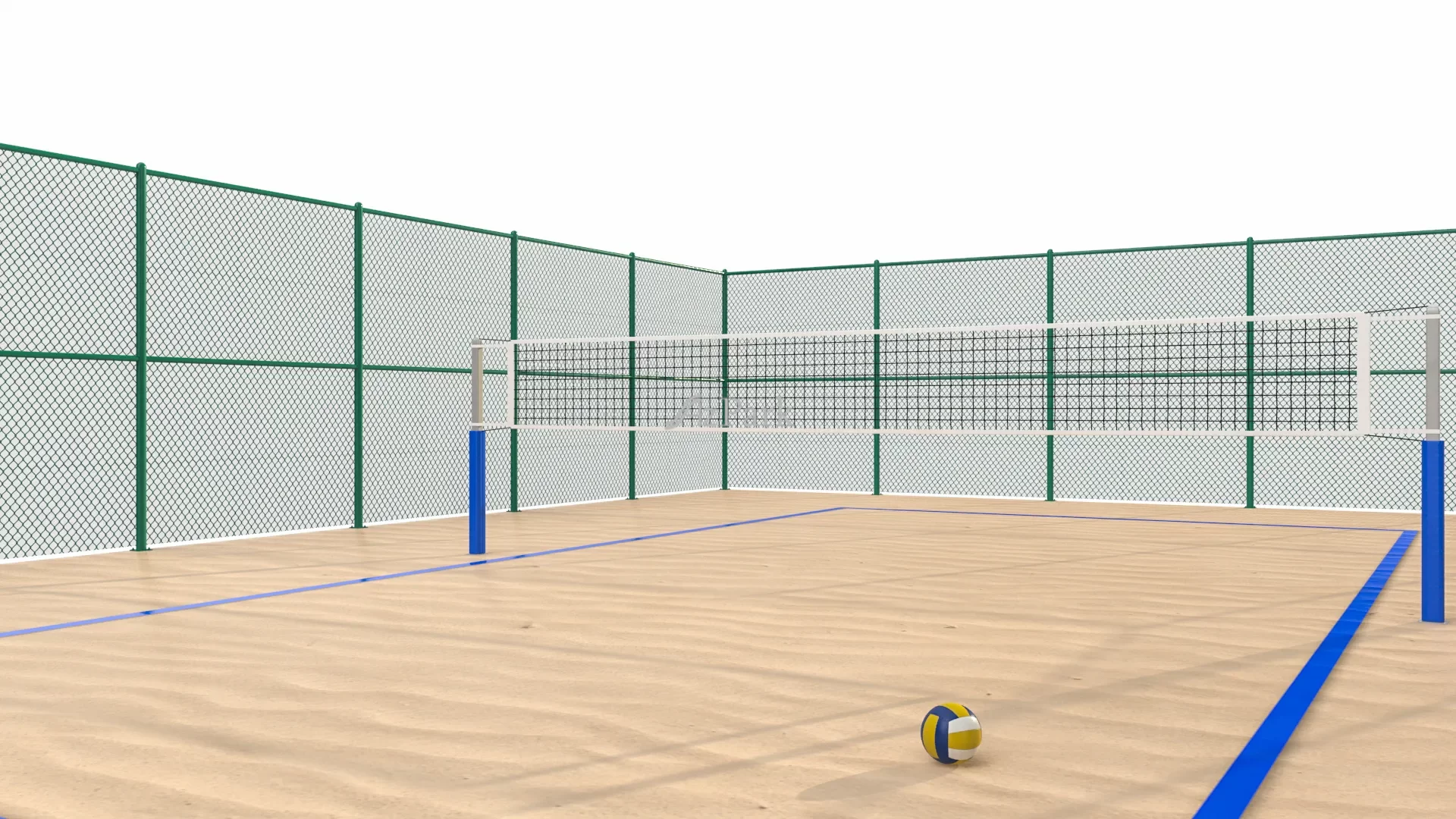
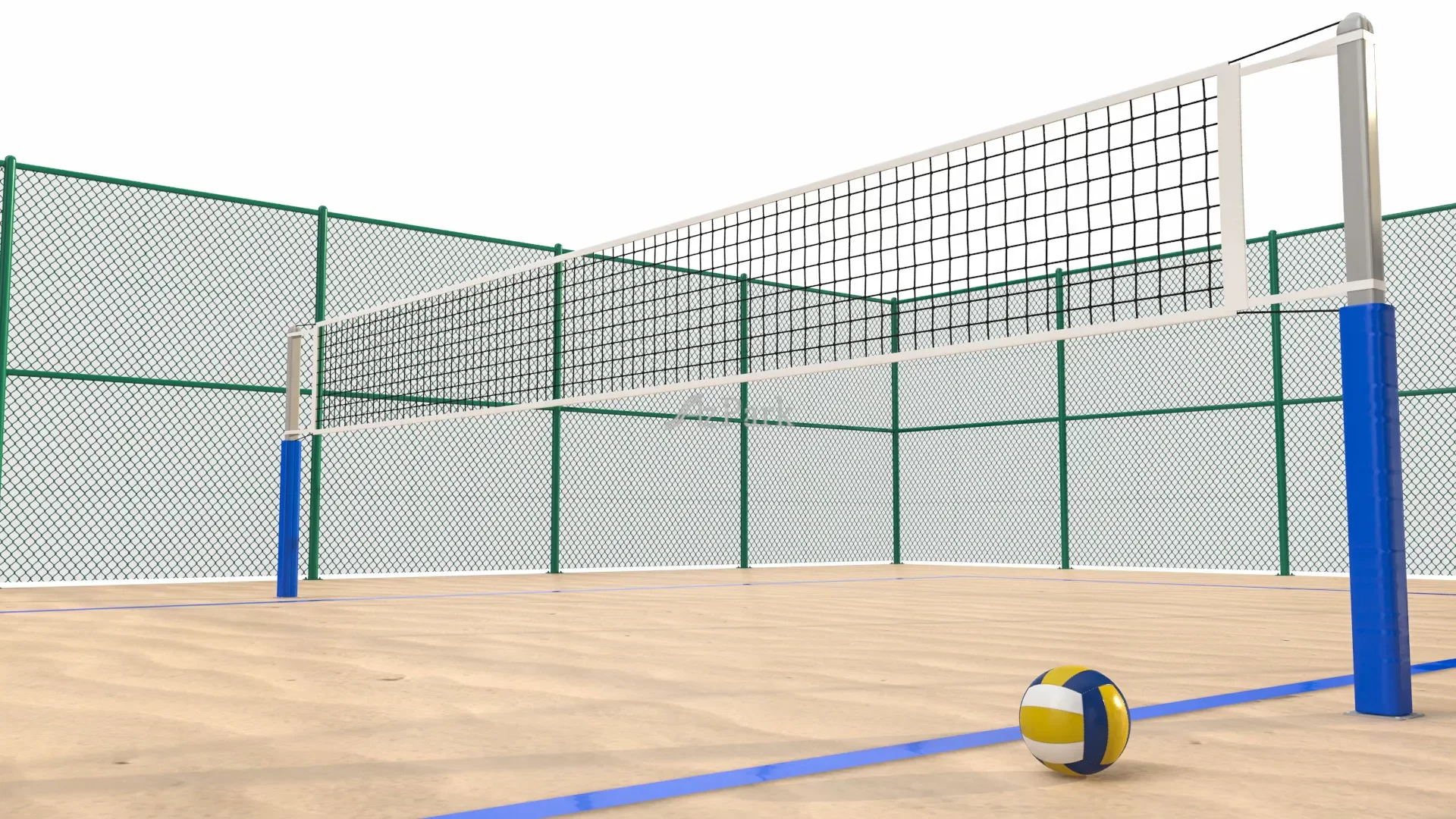
- Volleyball net and posts (made from stainless material).
- Posts are firmly secured to the ground (with concrete or special installation bases).
- There must be elastic tension systems along the sides of the net.
6. Lighting (Optional)
- UV-resistant projectors for night games (LED-based).
- Approximately 4 posts at 8–10 m height.
7. Additional Technical Requirements
- Sand grain size: 0.5 mm – 2 mm is considered ideal.
- Sand thickness: Minimum 30 cm (40–50 cm for professional competitions).
- Drainage systems: Water should not accumulate under the sand after heavy rain.
- Net material: Must be resistant to UV rays and moisture.
Conclusion
If the court is not properly prepared:
- Sand can settle or harden (playing quality decreases).
- In rain, the court fills with water and becomes unusable.
- If the net is not properly tensioned, problems may occur during play.